


River Rehabilitation Programs & Social Enterprises in Las Piñas City: Las Piñas Coconut Peat and
- May 3, 2018
- 2 min read


Photos From: Villar SIPAG Facebook
Remember when we told you that part of the coconut husks that were collected from Las Pinas are sent to the Las Pinas Coconut Peat and Coir Enterprise Facility? This is another tremendous project by the Villar SIPAG group in order to recycle used coconut husks around Las Pinas as well as surrounding cities.
Known as the tree of life, every part of the Coconut Tree are well known to have numerous uses. This is why no part of the tree goes to waste. The Villar Family decided to take this up a notch by recycling the coconut husks further.
But before we get to the process of making these coco products, here is a brief history of the enterprise.
Taken from the Villar SIPAG website:
“The Las Piñas Coconut Peat and Coir Enterprise got its first seed money to purchase all the equipment required to produce the coco nets. Through the assistance of Dr. Arboleda, the transfer of technology to the Las Piñeros became a reality.
Since 2008, the Villar SIPAG has distributed fifty six (56) twining equipment and thirty four (34) weaving looms to sixty eight families. The coco coir enterprise has been able to afford to purchase all the additional twining equipment and hand loom, and even partially pay for 40% of the cost of an additional decorticating machine. The balance of 60% was provided by the Foundation as financial assistance.
Part of the income generated from the sales of the coco nets is used to pay for the blankets made by another group of women and youth engaged in the Las Piñas Handloom Weaving Centers. These blankets are, in turn, given to people who are rendered homeless by typhoon, fire, and other calamities.
From a wider perspective, the addition of the coco-coir cottage industry provides more livelihood opportunities to idle female labor, utilizes the erstwhile floating coconut shell garbage on the river, reduces overall cost of garbage collection, contributes to the fertility of the soil required by the bamboos planted at the eyelet spaces of the produced coco-net used for erosion control.”
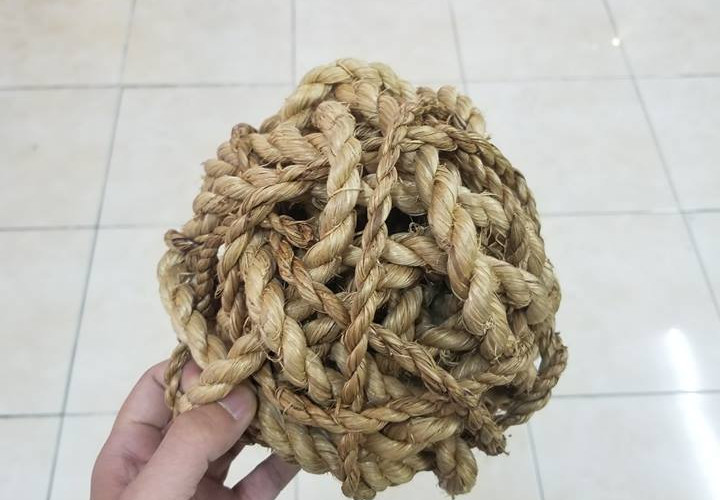
There are four main products that this facility makes, namely the coconut blankets, the coconut rope and twine, cocomats and the coconets. The process is similar for all the products. It only has one to two steps, and it always starts with the raw processing of harvesting the coconut fiber from the coconut husks and producing the said products in twining and loom equipment. The coco net is produced by the teamwork of two persons in the twining equipment and two persons in the loom.
This may seem like a simple two step process, however it is not. This process of making coconut products requires tremendous patience, and hand technique as all coconut products are made using the twining equipment, loom equipment and more importantly - Las Pineros’ hands.
Each family with two people producing a net can earn Php 6,000.00 from their average monthly production as said by the Villar SIPAG website.
According to the Villar SIPAG Website, these coco nets from Las Piñas are currently sold to Vista Land, a publicly listed housing development company, for their slope protection and soil erosion control requirements.
Comments